I work at the intersection of art and science — the place where a brand becomes something people feel, not just notice. For 25 years I've built brands and products that resonate emotionally and perform commercially. That combination comes through in my educational training…Columbia MBA + RISD Certificate in Industrial Design.
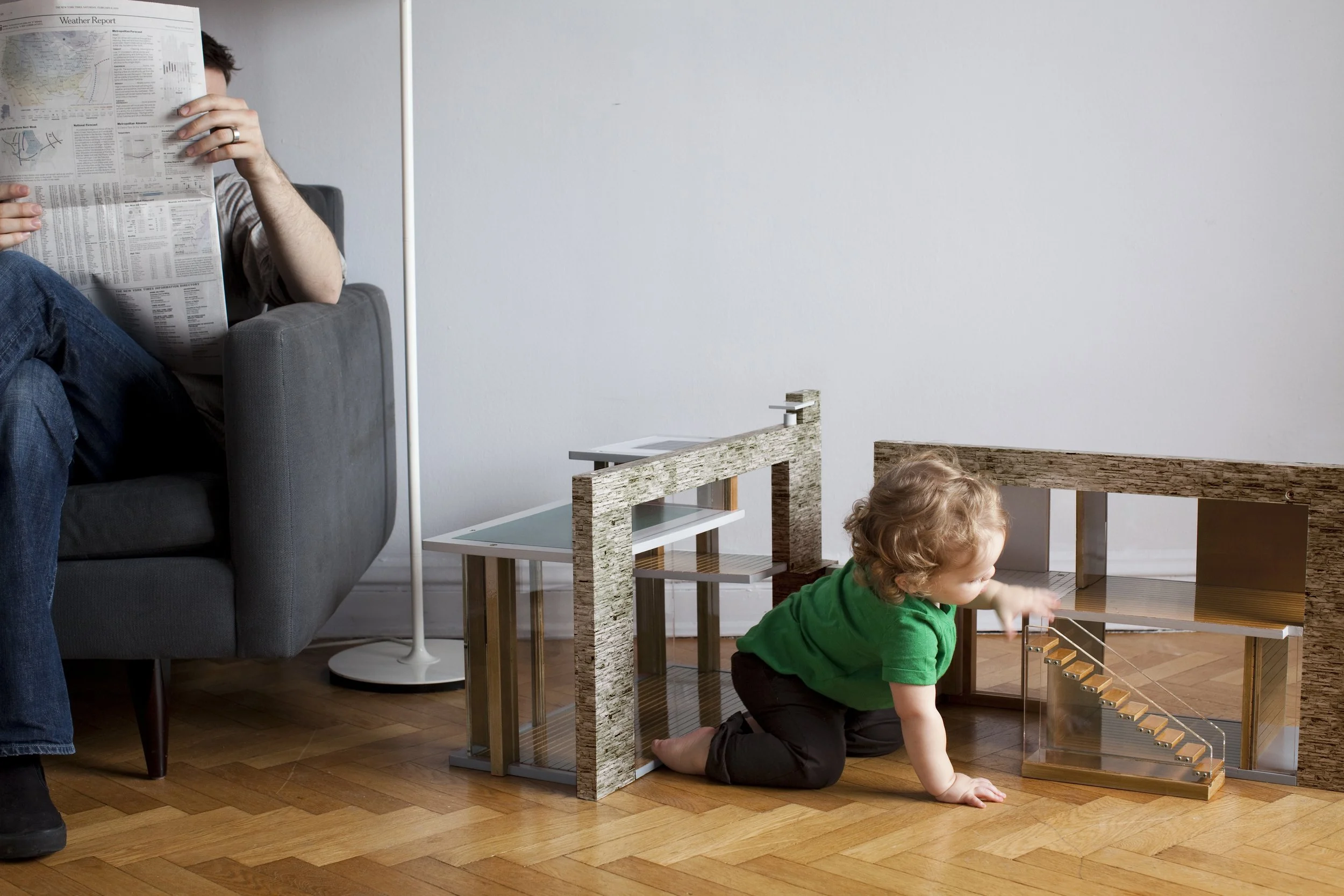
I founded Brinca Dāda, a premium design-forward children’s brand whose products reached 2,000+ stores worldwide — Bergdorf Goodman, MoMA's Design Store — and earned 40+ press placements in the New York Times, Architectural Digest, and Elle Décor, without a dollar of paid placement. Before that I ran $50M+ in categories at Toys R Us, learning how products actually move through retail.
Branding is where it starts: who a company is, why it matters, and how that belief shows up in everything from positioning to voice. I've built brand systems from scratch — including ones still in use more than a decade later.
Product development is where my RISD training comes to the forefront. I've developed 35+ award-winning products and built the Child-ish Design Rubric — a proprietary framework for pressure-testing a concept against everyone who has to say yes to it: the user, the buyer, the retailer, and the content creator.
Why Child-ish? It’s a reminder that peak performance should always incorporate a spirit of playfulness. It’s not silly or unserious. It’s curious and joyful. It’s child-ish.
Services
-
Branding
I help companies define who they are and why they matter — positioning, brand strategy, identity, and the story that ties a product line to the people meant to want it. The goal is a brand that's coherent across every touchpoint and credible to customers, retailers, and press alike.
-
Product Development
I work across the full arc of new product development — from identifying the opportunity and defining the design brief, through concept development, refinement, and handoff to manufacturing. The result is a coherent product line with a clear consumer rationale, a strong design identity, and a credible path to market. My proprietary Child-ish Design Rubric pressure-tests every concept along the way.
My Background
My education and work experience put me in a unique position to help manufacturer-designers bring great products to market.
Education
BA - Art History (BYU)
MBA - Marketing (Columbia)
CID - Industrial Design (RISD)
Experience
25+ years of experience in branding, marketing and product development in premium, design-forward consumer goods
Validation
Distribution to 2,000 retail locations (Bergdorf Goodman). 40+ media placements (NYT, Arch Digest). 18 awards (Top Toy).
Child-ish Design Rubric
The rubric is a proprietary, nine-part evaluation tool that helps manufacturer-designers determine the strengths of a new product early in the production process, before significant investment is made. It is also useful for evaluating competitive offerings.
The rubric is based on the idea that design is a critical element in any product and drives desirability among all stakeholders. But design is only one of the nine evaluation criteria. Using the nine elements, a score is created for a product’s appeal to children, parents, retailers and content creators.
-
The rubric was created as a tool for product manufacturers and designers.
-
I developed it based on my education in business and industrial design. I add to those decades of experience working as both a buyer and in product development, branding and marketing. And finally I layer on my experience as a parent.
This experience has taught me that for any given product there are multiple stake holders from children to parents to retailers to media/press.
-
Just contact me. If you are a manufacturer, I’ll be happy to send you examples.